Physical Address
304 North Cardinal St.
Dorchester Center, MA 02124
Physical Address
304 North Cardinal St.
Dorchester Center, MA 02124

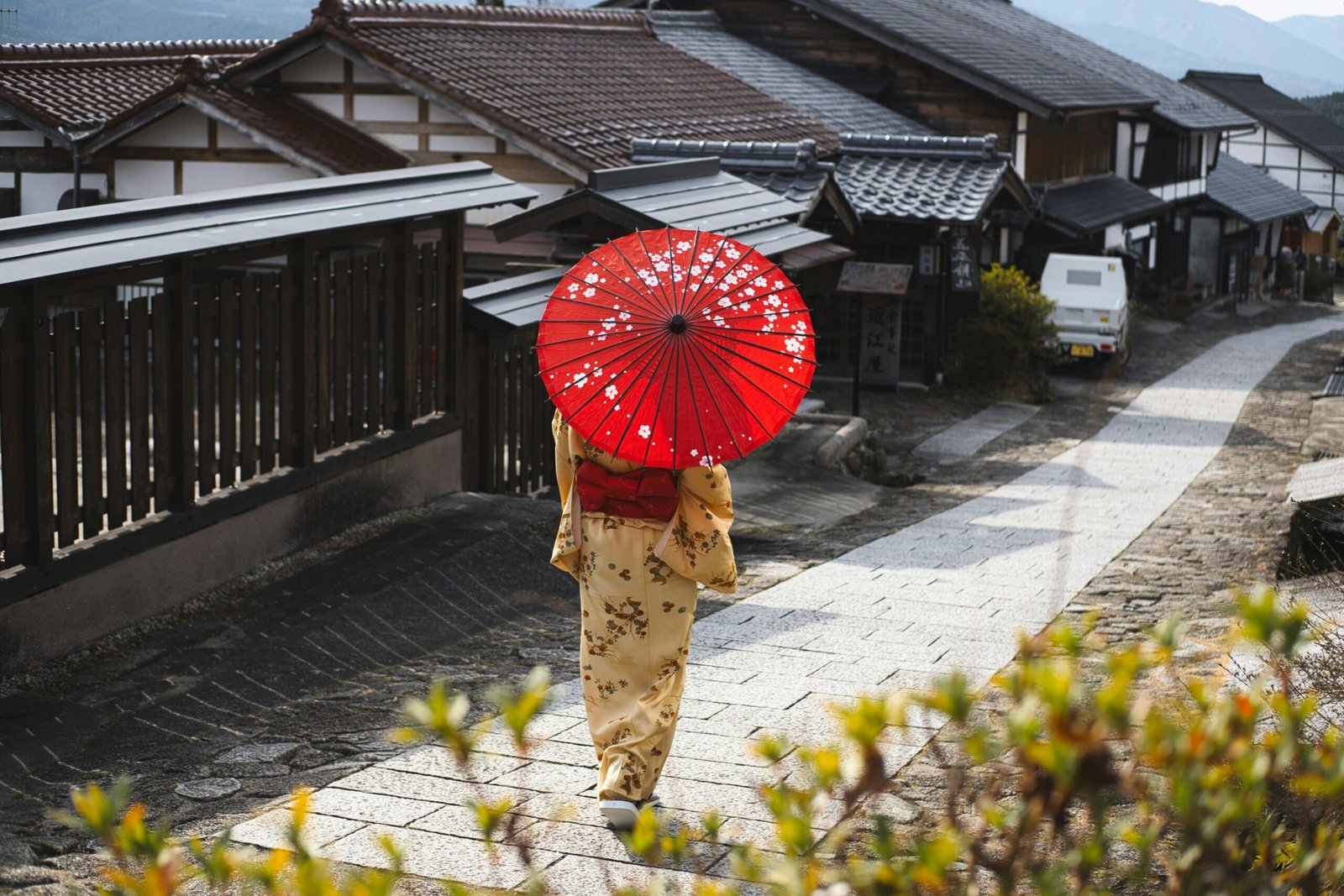
Visit Japan and discover more than just Tokyo, Kyoto, and Osaka. While these major cities are iconic and full of attractions, exploring smaller cities and towns reveals a side of Japan that many travelers miss. From scenic coastlines and historic castles to serene countryside villages, these destinations offer authentic Japanese culture, local traditions, and unique experiences away from the crowds. This guide highlights some of the best smaller cities in Japan, along with practical travel tips and insider insights to make your journey unforgettable.
Visiting smaller cities in Japan offers a different perspective than the bustling metropolises. Here’s why you should consider adding them to your itinerary:
Moreover, exploring off-the-beaten-path destinations can enhance your overall Travel Japan experience by allowing deeper interactions with locals and authentic insight into daily life.
Located on the western coast of Honshu along the Sea of Japan, Kanazawa is often referred to as a “mini Kyoto” because of its rich historical and cultural heritage. Despite its prominence in Japanese history, the city remains less crowded than major tourist hubs, making it perfect for travelers seeking authentic cultural experiences. Kanazawa flourished during the Edo period as a castle town under the Maeda clan, and its historic districts still preserve this atmosphere today.
One of the city’s highlights is Kenrokuen Garden, considered one of Japan’s top three landscape gardens. Spanning over 11 hectares, the garden features meticulously landscaped ponds, bridges, tea houses, and seasonal flora, from cherry blossoms in spring to vibrant maple leaves in autumn. For art enthusiasts, the 21st Century Museum of Contemporary Art offers a striking contrast with its modern, minimalist architecture and innovative exhibits, creating a unique blend of old and new. The historic samurai district, Nagamachi, allows visitors to walk along cobblestone streets past traditional residences and preserved earthen walls.
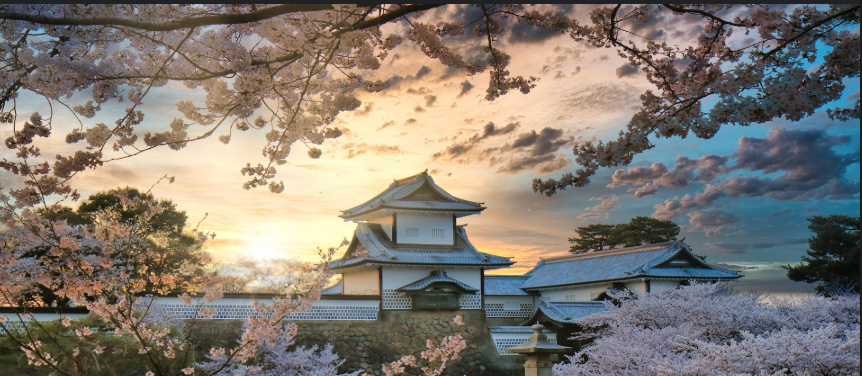
Tips for Visitors: Indulge in local seafood delicacies like crab, sushi, and Kaga vegetables, and try Kanazawa’s famed gold leaf crafts, including gilded desserts and souvenirs. For a magical experience, stroll through the Higashi Chaya District in the evening when lanterns illuminate the streets and tea houses are less crowded, offering a glimpse into Kanazawa’s traditional nightlife.
Nestled in the Japanese Alps of Gifu Prefecture, Takayama is renowned for preserving the charm of old Japan. The city’s Sanmachi Suji historic district features well-maintained Edo-period merchant houses, sake breweries, and quaint wooden shops, providing visitors with a sense of stepping back in time. Takayama’s morning markets, like Miyagawa Market, offer local produce, handmade crafts, and seasonal treats, giving travelers a taste of daily life in a Japanese alpine town.
Takayama also serves as a gateway to the Hida region, famous for traditional carpentry, Hida beef, and centuries-old sake breweries. Seasonal festivals, particularly the Takayama Matsuri in spring and autumn, are considered some of Japan’s most beautiful, featuring elaborately decorated floats, traditional music, and street performances. Beyond the town itself, the nearby Hida Folk Village is an open-air museum showcasing historic farmhouses, providing insight into rural life in Japan during past centuries.
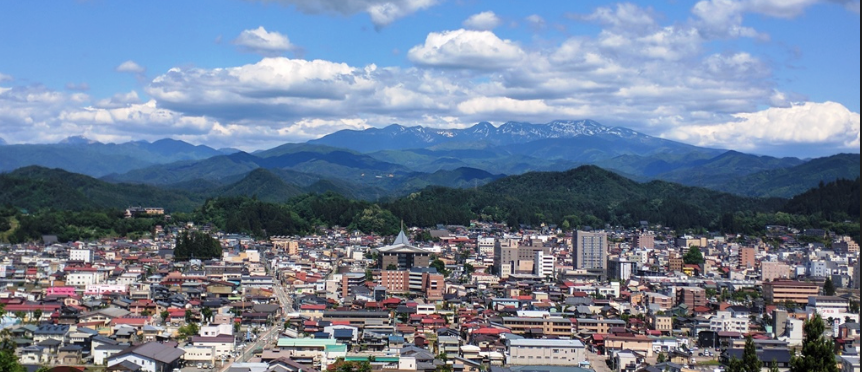
Common Mistake: Many travelers opt for a day trip from Nagoya, but staying at least one night allows you to enjoy evening walks through lantern-lit streets, discover local eateries, and fully appreciate the town’s charm without rushing.
Located in Nagano Prefecture, Matsumoto is a perfect combination of history, nature, and culture. Its centerpiece is Matsumoto Castle, nicknamed the “Crow Castle” due to its black exterior. Built in the 16th century, it is one of Japan’s few remaining original castles and offers panoramic views from its top floor. The surrounding city is framed by the Northern Japan Alps, making it ideal for hiking, skiing, and enjoying hot spring resorts in the nearby region.
The city’s historic Nakamachi Street features Edo-period storehouses and artisan shops, perfect for leisurely walks and souvenir shopping. Nawate Street, lined with small cafes and local snack vendors, offers a charming experience, especially during festivals. Matsumoto also has a thriving arts scene, with the Matsumoto Performing Arts Center hosting music, theater, and dance events throughout the year. Seasonal highlights include cherry blossoms in spring and colorful foliage in autumn.
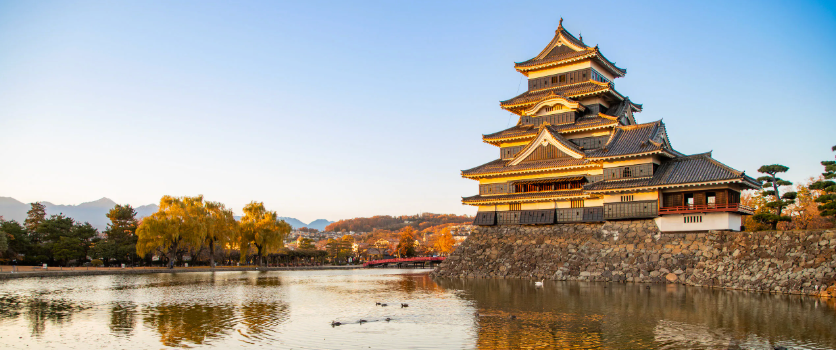
Tips for Travelers: Visit during spring or autumn to enjoy the city’s natural beauty. While public transport is reliable, renting a bicycle is a convenient and scenic way to explore the historic districts and surrounding nature trails at your own pace.
Located in southern Hokkaido, Hakodate offers a fascinating blend of Japanese and Western influences. Its history as one of Japan’s first international ports is reflected in the city’s architecture, particularly in the Motomachi district, where Western-style churches and buildings stand alongside traditional Japanese structures. The city is also famous for the panoramic views from Mount Hakodate, especially at night when the city lights sparkle across the bay, offering one of Japan’s most celebrated nightscapes.
Hakodate’s morning market is a must-visit, providing fresh seafood such as squid, crab, and scallops. The local specialty, seafood bowls (kaisen-don), allows travelers to sample a variety of fresh catches in one meal. Beyond food, visitors can explore historical sites like Goryokaku Fort, a star-shaped fortress, and the surrounding park, which is particularly beautiful during cherry blossom season.

Tips: Arrive early at the morning market for the freshest seafood. Take the ropeway to Mount Hakodate before sunset to enjoy the transition from daytime to the city’s glittering night view. Exploring the historical Motomachi district on foot provides a glimpse into the city’s unique blend of cultures.
Situated in Okayama Prefecture, Kurashiki is renowned for the Bikan Historical Quarter, a beautifully preserved area featuring canals, white-walled warehouses, and willow-lined streets. Originally a merchant town during the Edo period, Kurashiki retains its old-world charm, providing a peaceful atmosphere that contrasts with the hustle of larger Japanese cities.
The city is also home to the Ohara Museum of Art, Japan’s first museum dedicated to Western art, displaying works by European masters alongside Japanese artists. Strolling along the canals, visitors will encounter traditional craft shops, tea houses, and boutiques offering handmade souvenirs. Evening walks in the historic district offer a magical experience, with subtle lighting reflecting on the calm canal waters.
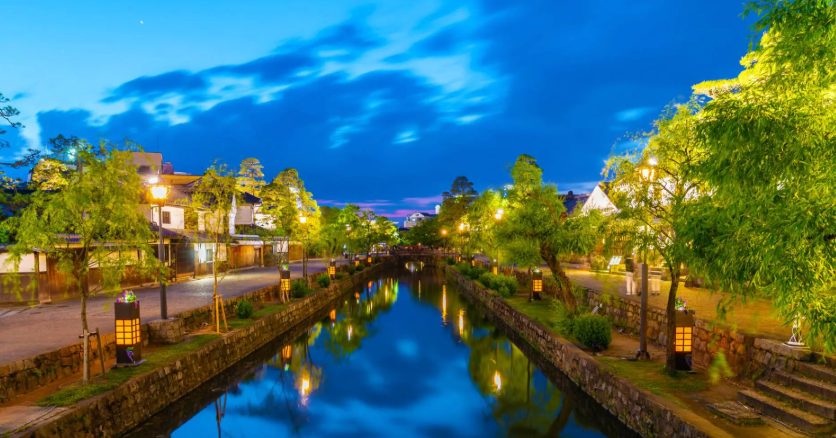
Common Mistake: Many travelers visit Kurashiki quickly as a day trip, missing the subtle charm of evening strolls and artisan workshops. Spending a night allows for a more immersive experience and a chance to enjoy local dining away from tourist crowds.
While often considered a day-trip destination from Kyoto, Nara deserves more than a few hours. Famous for Nara Park and its friendly deer population, the city also offers numerous historical and cultural treasures, such as Kasuga Taisha Shrine and the ancient Kofukuji Temple, which showcase classical Japanese architecture and religious art.
Nara’s neighborhoods are dotted with tea houses, local sake breweries, and traditional shops, providing travelers a chance to experience the city beyond its main tourist spots. Cycling around the city is highly recommended, as it allows visitors to explore scattered temples, serene gardens, and quiet streets that are often overlooked by day-trippers. Seasonal highlights, including cherry blossoms in spring and colorful leaves in autumn, enhance the city’s already picturesque environment.
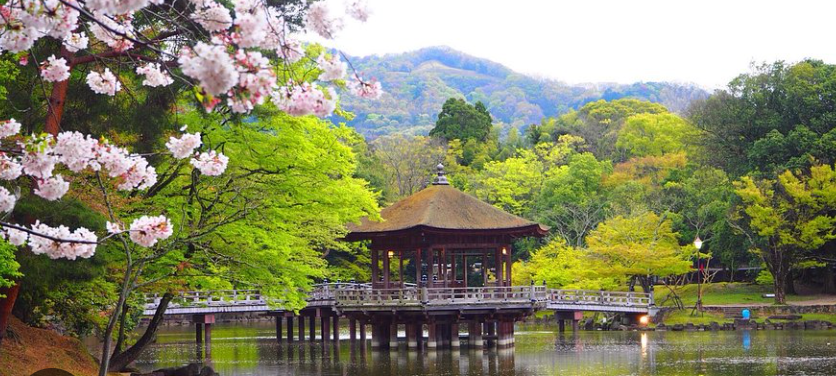
Tips: Rent a bicycle to explore temples and gardens at your own pace. Don’t miss trying local mochi, often freshly made and sold in traditional shops around the city.
Exploring smaller cities in Japan allows travelers to experience authentic culture, scenic beauty, and historical charm that Tokyo, Kyoto, and Osaka cannot fully offer. From Kanazawa’s traditional districts to Hakodate’s night views and Kurashiki’s historic canals, each city has its own unique story. By planning transportation, staying overnight, and engaging with locals, your Travel Japan adventure can be rich, immersive, and unforgettable.
Interested in more about Japan? Check out more articles on our Travel page to learn more about traveling japan