Physical Address
304 North Cardinal St.
Dorchester Center, MA 02124
Physical Address
304 North Cardinal St.
Dorchester Center, MA 02124


Japan has long been heralded as a dream destination. From the neon lights of Tokyo to serene shrines in Kyoto, travellers flock to experience its unique blend of tradition and modernity. But as tourism numbers surge, concerns over overtourism in Japan are growing. This guide looks at the challenges, the impact on local communities, and how you — as a responsible visitor — can help make your trip both meaningful and low-impact.
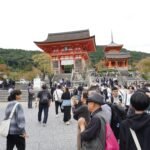
Tourism is vital for Japan’s economy, especially as the country rebuilds post-pandemic. However, when visitor numbers cluster in certain hotspots, problems emerge. Local infrastructure becomes burdened, cultural sites feel invaded, and the very experiences tourists seek begin to degrade.
Tip for travellers: Try to look beyond the “top 10” list and go off-peak or off the beaten path.
When tourist crowds become daily business, local residents may feel their routines and traditions disrupted. Narrow alleys fill with tour groups, and quiet neighbourhoods become photo-zones. Some communities have voiced frustration with the influx. Podtail+1
Iconic natural sites – trails near Mount Fuji, rural villages, coastal areas – face heavier wear and tear. Waste management, erosion, and habitat disturbance become real concerns.
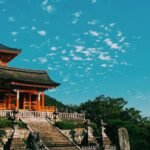
Historic temples and shrines have suffered from rushed visits and disrespectful behaviour (e.g., loud filming, inappropriate attire). Some are responding with tighter restrictions or visitor quotas. Whirlpool.net.au
Common mistake: Assuming that because a site is popular, it’s unlimited in capacity. Many locations now ask for advanced booking or limit numbers.


Japan is one of the most visited countries in the world — and for good reason. Its mix of tradition, technology, and natural beauty draws millions of visitors every year. But as popular sites like Kyoto and Mount Fuji grow increasingly crowded, it’s important for travelers to think about how their choices affect local communities and the environment. Responsible travel in Japan isn’t about limiting fun — it’s about deepening your experience while leaving a lighter footprint.
Below are some concrete ways to avoid contributing to overtourism — and instead help sustain the very culture, beauty, and hospitality that make Japan so special.
Japan’s beauty changes dramatically throughout the year, and each season offers its own charm. Traveling in the shoulder seasons — just before or after peak tourist periods — can completely change your experience. For instance, visiting in late March before cherry blossoms fully bloom, or in mid-April when crowds have dispersed, still offers beautiful scenery without the chaos. The same applies to autumn foliage season — late November can be just as stunning as the peak mid-November rush.
You’ll also find locals more relaxed and available to engage when the crowds thin out. Off-peak travel means shorter lines at temples, easier restaurant reservations, and a more genuine sense of tranquility in Japan’s cultural spaces. In addition, flights and accommodations are often cheaper outside of major holiday weeks such as Golden Week (late April–early May) and Obon (mid-August), which gives you both a more peaceful and cost-effective trip.
While Tokyo and Kyoto are incredible, Japan is filled with hidden treasures that many travelers overlook. Tottori Prefecture, for example, is home to vast sand dunes, unique folklore, and delicious seafood. Shikoku, Japan’s fourth-largest island, offers beautiful pilgrimage routes and local crafts, while the Tohoku region in the north features scenic mountains, hot springs, and heartfelt rural hospitality. These areas are ideal for travelers looking to connect with Japan’s slower, more traditional rhythms of life.
Visiting lesser-known destinations also spreads tourism’s economic benefits beyond the usual hotspots. By spending money in smaller towns, you help support local artisans, farmers, and small business owners who often rely on domestic tourism. Your visit might be a rare opportunity for cross-cultural exchange — one that feels more personal and mutually rewarding than navigating through overrun sightseeing areas.

Japan’s sense of order and respect is deeply ingrained in daily life, and following local customs is one of the best ways to show appreciation. When exploring temples or shrines, observe the same quiet and mindfulness that locals practice — these are sacred places, not just photo spots. Similarly, when hiking or visiting nature areas, stay on marked trails to protect the fragile ecosystems that make Japan’s landscapes so beautiful.
It’s also important to remember that not every neighborhood is designed for sightseeing. In historic cities like Kyoto, many narrow lanes double as residential streets. Avoid loud conversations, keep to the sides of paths, and never enter private property. Small gestures like bowing, saying “arigatou,” or removing shoes where appropriate go a long way in building goodwill with locals and maintaining the country’s welcoming atmosphere.
Responsible travel also means choosing where your money goes. Instead of large international hotels, try staying in a ryokan or minshuku — traditional inns run by local families. You’ll enjoy a deeper experience of Japanese hospitality, from home-cooked breakfasts to onsen baths, while directly supporting regional economies. Likewise, dining at small, family-owned restaurants introduces you to local specialties and seasonal dishes that chain establishments often overlook.
Hiring local guides is another way to enrich your trip and give back to the community. They can offer insights into cultural customs, lesser-known history, and personal stories that you won’t find in guidebooks. Shopping for locally made crafts — such as Arita porcelain, Nara brushes, or Aomori lacquerware — not only makes for meaningful souvenirs but also sustains the artisans keeping these traditions alive.
Instead of spending all your time in a single city, try structuring your itinerary to include nearby towns or rural regions. For instance, if you plan three nights in Kyoto, consider spending an extra night in Uji, known for its tea culture, or Nara, Japan’s first permanent capital with stunning temples and free-roaming deer. This not only lightens the load on overcrowded destinations but also gives you a richer and more varied travel experience.
You’ll find that smaller communities often offer deeper cultural connections and quieter charm. Whether it’s joining a local pottery class, staying at a countryside guesthouse, or simply walking through an uncrowded street at sunset, spreading your visits lets you experience Japan’s diversity beyond the postcard spots. The memories you make in these lesser-known places often end up being the most unforgettable.

Use eco-friendly transport, avoid single-use plastics, carry your trash if necessary.
Tip: When in doubt, follow the golden rule of being “quiet, clean, and mindful” — a simple mantra for travel in Japan.
Japan is not ignoring the overtourism issue. Several measures are underway:
While change is gradual, awareness is growing — and as a traveller, your choices matter.
When traditional neighbourhoods turn into photo-zones, authenticity can fade. Some travellers lament the “Instagram effect” over genuine cultural exchange.
Tourism brings revenue — but how much is too much? The question is not just about numbers, but about the quality of the experience and long-term viability of these destinations.
Many local voices feel left out of the tourism-boom conversation. Ensuring that residents benefit (and are not inconvenienced) is part of responsible travel.
Overtourism in Japan is a real challenge — but it’s one that can be mitigated by thoughtful travel. By choosing when and where we visit, staying with mindfulness, and respecting Japan’s communities and environment, we can experience this incredible country without contributing to its burdens.
The next time you plan your trip to Japan, ask: Will this choice support the culture and the place, or just the selfie overhead? Your journey can be both enriching and respectful.