Physical Address
304 North Cardinal St.
Dorchester Center, MA 02124
Physical Address
304 North Cardinal St.
Dorchester Center, MA 02124

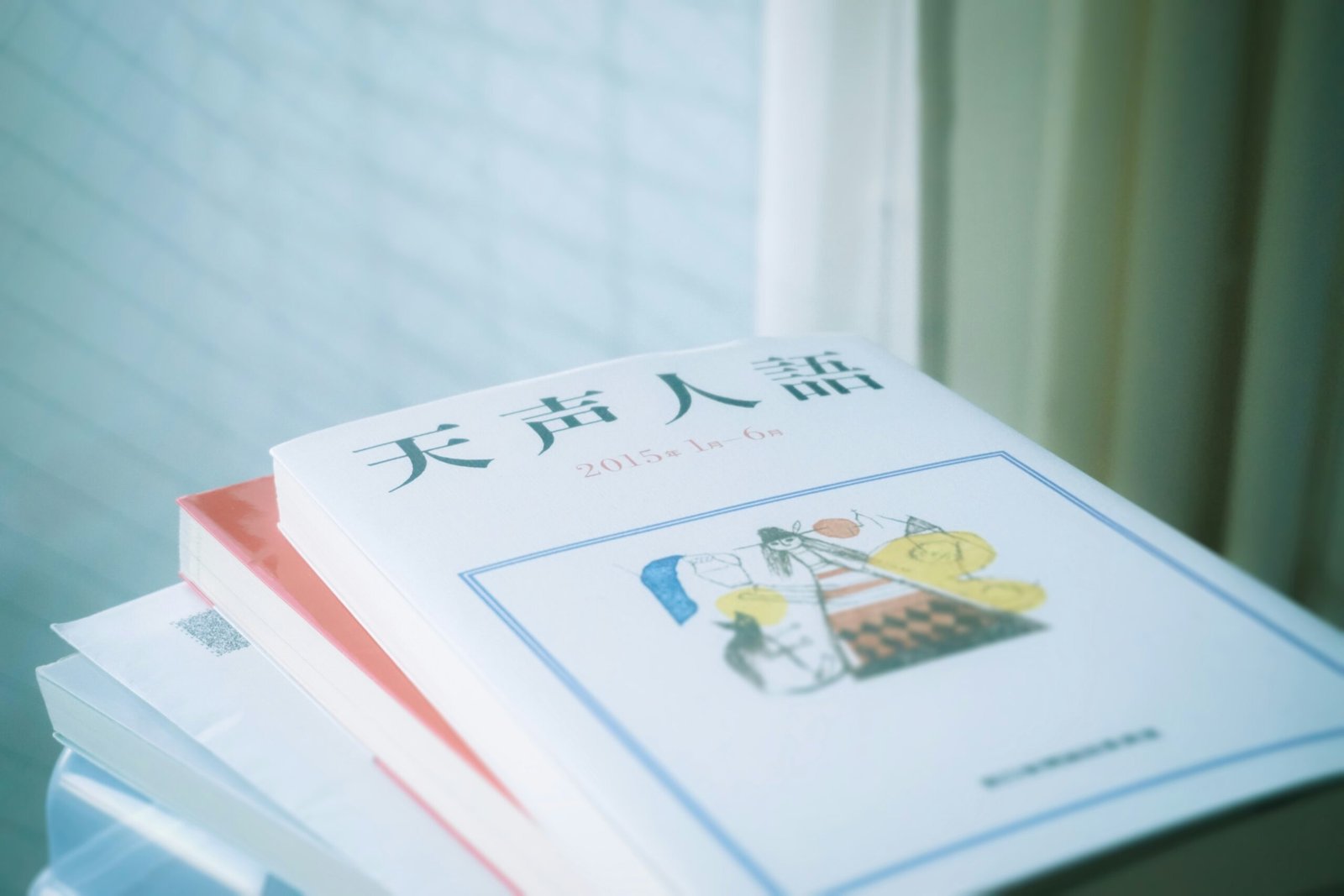
The JLPT N4 (Japanese Language Proficiency Test Level 4) marks the second step on the JLPT ladder—right above N5 and just below the intermediate N3. It’s designed for learners who already have a foundation in basic Japanese and are ready to build on it with more complex grammar, kanji, and comprehension skills.
Passing N4 shows that you can understand and use everyday Japanese in slightly broader contexts—reading short essays, following simple conversations, and handling practical situations like travel, shopping, or casual communication. For many learners, this is the first level where Japanese starts to “click,” connecting vocabulary, grammar, and comprehension into real fluency.
The N4 exam evaluates your ability to understand Japanese as used in daily life. It tests the same three skill areas as N5—Language Knowledge (Vocabulary and Grammar), Reading, and Listening—but with greater depth and nuance.
You’ll need to recognize around 300 kanji and 1,500 vocabulary words, as well as demonstrate a good grasp of essential grammar patterns. N4 also introduces short paragraphs and spoken dialogues that require understanding the intent of the speaker, not just isolated words.
The JLPT N4 exam maintains the same three-part structure as the N5 level but introduces longer passages, faster audio, and greater contextual complexity. The total test time is about 125 minutes, divided among three core areas: Language Knowledge (Vocabulary), Language Knowledge (Grammar) & Reading, and Listening. While each section is assessed separately, the test overall evaluates your ability to understand and process everyday Japanese as it naturally appears in conversation, writing, and media. Knowing how each section functions—and what it tests—is essential for building a balanced study plan.
The vocabulary section tests how well you can recognize and understand words and kanji as they appear in practical, everyday contexts. Rather than simply recalling translations, you’ll be asked to identify the correct readings of kanji compounds, choose suitable words to complete sentences, and interpret word meanings based on short phrases or short texts. For example, one question might ask you to select the proper reading of 駅前 (in front of the station), while another could require you to choose which noun correctly completes a sentence about time or location. This section moves beyond rote memorization and begins testing comprehension through context—an important step toward fluency.
You’ll typically face 35–40 multiple-choice questions and have around 30 minutes to complete this section. Because time is limited, recognizing words quickly and accurately is vital. Studying vocabulary through graded reading materials, flashcards, and listening practice can help you internalize words in context rather than as isolated terms. Learners who focus on example sentences, collocations, and natural usage tend to perform better than those who rely solely on memorized lists. Think of this section as testing not just how much you know, but how naturally you understand Japanese vocabulary in everyday life.
This portion combines your understanding of Japanese sentence structure with your ability to read and interpret short written passages. The grammar portion features questions about verb conjugations, particle use, and word order. For example, you might need to determine the correct form of 行く (to go) in a particular sentence, or choose the correct particle between に and で. These questions measure how well you grasp the logic of Japanese grammar and whether you can apply it flexibly in new contexts. The test also includes short fill-in-the-blank exercises that challenge your ability to use grammar patterns rather than just recognize them.
The reading portion introduces brief but meaningful texts—such as announcements, diary entries, letters, or advertisements—requiring you to identify main ideas and infer meaning. Expect sentences that mix both kanji and hiragana, with some vocabulary you may not have seen before. The key skill here is contextual comprehension: using surrounding words and grammar clues to guess meaning. You’ll have around 60 minutes for this combined section, so pacing and comprehension strategies are essential. Reading short passages regularly—like those on NHK Easy News or beginner graded readers—helps build the stamina and confidence to handle the real exam.
The listening section measures how well you understand spoken Japanese in realistic situations. You’ll hear short conversations, monologues, or public announcements, each followed by multiple-choice questions. The dialogues often mirror everyday interactions—ordering food, giving directions, or discussing plans. You’ll need to identify what the speaker said or implied, which demands attention to both content and tone. Many questions also test your ability to infer the correct answer even when vocabulary is unfamiliar, relying instead on context clues and overall comprehension.
This section lasts approximately 35 minutes and includes several different listening task types. Some questions are supported by illustrations or written prompts, while others require you to respond solely based on what you hear. The audio is slightly faster and more natural than at N5, but still slower than native conversational speed. Building listening ability requires regular exposure—watching simple Japanese videos, listening to beginner podcasts, or using JLPT audio drills can significantly improve performance. Focus on recognizing sentence patterns and key expressions rather than translating everything in your head; this helps you stay calm and efficient during the test.
To pass N4, aim to learn about 1,500 vocabulary words and 300 kanji. These cover common topics such as health, transportation, school, and emotions.
At the N4 level, you’ll expand on the basic family-related terms you learned at N5 and begin to express more complex relationships and social situations. You’ll encounter words such as 両親 (parents), 兄弟 (siblings), 祖母 (grandmother), and 結婚 (marriage), along with common verbs like 手伝う (to help) and 紹介する (to introduce). These words appear frequently in everyday conversations and listening exercises, such as talking about your family, describing someone’s job, or explaining personal relationships.
In addition to family terms, N4 also introduces vocabulary related to social connections and interactions — words like 友人 (friend), 知り合い (acquaintance), and 上司 (superior). Understanding these helps you discuss people’s roles, relationships, and even emotions. Mastery of this group allows you to speak more naturally about your life and others, which becomes essential for both JLPT listening comprehension and practical communication in Japan.
This theme focuses on everyday verbs and nouns used to describe common tasks and routines. Expect to see words such as 掃除する (to clean), 料理する (to cook), 起きる (to wake up), 寝る (to sleep), and 働く (to work). These appear in listening sections and short reading passages that describe daily schedules or weekend plans. By studying them in context, you’ll gain the ability to understand short dialogues about habits, time management, and lifestyle.
You’ll also encounter time-related expressions like 毎朝 (every morning), 時々 (sometimes), and よく (often), which help describe frequency and routine. Combining these with action verbs lets you build complete sentences, such as 毎朝コーヒーを飲みます (“I drink coffee every morning”). Since much of the N4 exam revolves around everyday language, being comfortable with this vocabulary is key to understanding both reading and listening content naturally.
Travel and location-based vocabulary play a major role at N4, as many test passages involve directions, transportation, or public facilities. Common terms include 駅 (station), 空港 (airport), 病院 (hospital), 郵便局 (post office), and 警察 (police). You’ll also need to recognize verbs like 乗る (to ride), 降りる (to get off), 曲がる (to turn), and 歩く (to walk). These words appear frequently in listening exercises where someone gives or follows directions.
Beyond navigation, travel-related vocabulary helps you describe experiences and preferences—旅行する (to travel), 予約する (to reserve), 地図 (map), and 切符 (ticket). These terms are not only essential for JLPT success but also invaluable for real-world use when visiting Japan. Many learners find this topic engaging because it connects directly with daily life scenarios, making it easier to memorize and apply in context.
As you progress to the N4 level, you begin expressing feelings, preferences, and thoughts—an important leap from simple descriptions at N5. Vocabulary such as 嬉しい (happy), 悲しい (sad), 心配 (worry), and 怒る (to get angry) helps you discuss emotions, both your own and others’. You’ll also learn useful expressions for likes and dislikes, such as 好き and 嫌い, which appear in reading passages and listening dialogues about hobbies or personal choices.
N4 also introduces more abstract vocabulary related to thinking and intention, including 考える (to think), 決める (to decide), and つもり (intention). These words are often used with key grammar patterns like ~と思います (“I think that…”) and ~つもりです (“I intend to…”). Mastering this group enables you to discuss opinions and plans—topics that frequently appear in test questions. It also makes your Japanese sound more expressive and human, marking a clear step forward from beginner-level communication.
At the N4 level, you’re expected to recognize around 300 kanji, many of which appear frequently in everyday writing, signage, and conversation. These characters expand upon the foundation you built at N5, introducing slightly more complex forms and new combinations. Examples include 食 (eat), 飲 (drink), 駅 (station), 時 (time), 社 (company), 先 (before), 勉 (study), and 強 (strong). Each of these kanji connects to multiple useful words you’ll encounter in real-life contexts—like 食べる (to eat), 飲み物 (a drink), or 会社 (company). Learning these kanji will significantly boost your reading fluency, allowing you to understand menus, travel signs, and simple articles written for native audiences.
Because kanji carry both meaning and sound, studying them within vocabulary compounds is far more effective than memorizing them individually. For example, the combination 勉強する merges 勉 (to make effort) and 強 (strong), forming the verb “to study.” Similarly, 会社員 blends 会 (meeting) + 社 (company) + 員 (member) to mean “office worker.” Learning kanji through compound words not only reinforces meaning and pronunciation but also helps you recognize how characters build logical patterns.
This method also improves long-term retention: the more you see kanji in real sentences—like 電車の駅はここです (“The train station is here”)—the more naturally they become part of your active understanding. Over time, reading will feel less like decoding symbols and more like grasping complete ideas at a glance.
Grammar becomes more complex at the N4 level, but it’s still highly logical. You’ll move beyond basic sentence patterns and start expressing cause, purpose, and experience.
Understanding how these grammar patterns work together is essential. For example, 行ったことがある means “I have been (there)”—a perfect expression for describing experience, which is frequently tested on N4.
Common Mistake: Many learners confuse ~ながら (while doing) with ~間に (during). Practice spotting these differences in short passages rather than in isolated drills.
Reading questions at the N4 level assess your ability to understand short written passages that use basic grammar and vocabulary. Expect a mix of:
You’ll need to identify the main idea, locate specific details, and infer meaning from context. Unlike N5, reading comprehension questions may involve opinions or explanations rather than direct facts.
Tip: Read graded readers or children’s books written for native Japanese students in lower grades. They mirror the grammar and kanji used in the exam while keeping stories engaging.
Listening at the N4 level is slightly faster and longer than N5. It tests not only comprehension but also the ability to catch tone, politeness level, and intention.
Consistent practice is essential. Try listening to NHK Easy Japanese audio lessons or beginner podcasts, focusing on natural rhythm rather than word-by-word translation.
Each section—Vocabulary, Grammar & Reading, and Listening—is scored out of 60 points, with a total of 180.
To pass, you need:
Your score report provides detailed feedback on strengths and weaknesses, helping you target areas for improvement before advancing to N3.
A balanced approach works best: focus on vocabulary and kanji for recognition, grammar for accuracy, and listening/reading for comprehension.
Month 1:
Month 2:
Month 3:
Tip: Use a spaced repetition system (SRS) like Anki or VerbaCard to retain vocabulary long-term. Consistency matters more than cramming.
| Resource | Type | Notes |
|---|---|---|
| Tobira Gateway to Intermediate Japanese | Textbook | Excellent bridge between N5 and N4–N3 |
| Nihongo Sou Matome: N4 | Workbook | Divided into 6-week sections |
| JLPT Official Practice Workbook | Free PDF | Realistic question examples |
| NHK Easy Japanese | Audio/Reading | Great for daily listening |
| VerbaCard Flashcards (Full Kana) | Vocabulary | Ideal for daily review |
Building a habit of daily exposure—short readings, flashcards, and podcasts—yields much better results than long, irregular sessions.
The JLPT N4 is where Japanese study becomes genuinely rewarding. It bridges the gap between beginner and intermediate levels, empowering you to navigate real-world situations and enjoy Japanese media with confidence. Consistency, context-based learning, and smart review strategies are your keys to success.
If you’re ready to level up from N5 or are aiming to work, travel, or study in Japan, mastering N4 is a major milestone. Continue your learning journey with our other resources on grammar breakdowns, travel tips in Japan, and kanji study strategies at GoJapanese.io.