Japanese Video Games: 5 Powerful Ways to Learn Faster

Learning Japanese can be immersive, enjoyable, and highly effective when paired with popular video games. These games combine reading, listening, and interactive storytelling, helping players encounter vocabulary, grammar, and cultural context naturally. By playing games with Japanese text and audio, learners can improve comprehension, pronunciation, and fluency while having fun.

In this guide, we explore some of the most popular Japanese games—including Pokémon, Animal Crossing, Genshin Impact, Final Fantasy, and Persona—and show how they can be used strategically for language learning.


Why Video Games Are Effective

Video games provide contextual and interactive learning, making them more engaging than passive methods like textbooks alone. Players must read instructions, dialogue, and menus while listening to audio, which reinforces comprehension and memory. Many games repeat key phrases and vocabulary in meaningful situations, helping learners internalize the language naturally.

Moreover, video games expose learners to cultural nuances, social expressions, and everyday Japanese, which is difficult to get from textbooks alone. Combining reading, listening, and active engagement makes games a holistic tool for improving Japanese.


Pokémon: Fun and Accessible Learning

Pokémon is one of Japan’s most iconic game franchises and is great for beginners and intermediate learners. The games involve reading dialogue with characters, following instructions, and learning the names of Pokémon, moves, and items in Japanese.

  • Vocabulary: Everyday words like numbers, colors, and action verbs appear frequently.
  • Grammar: Dialogue often uses simple sentence structures suitable for beginners.
  • Cultural Exposure: NPC interactions reflect casual Japanese conversation and politeness levels.

Tips:

  • Play with Japanese text and audio to maximize exposure.
  • Keep a notebook for new Pokémon names and items to expand vocabulary.

Common Mistake: Relying only on English versions or skipping reading dialogue reduces the learning potential.
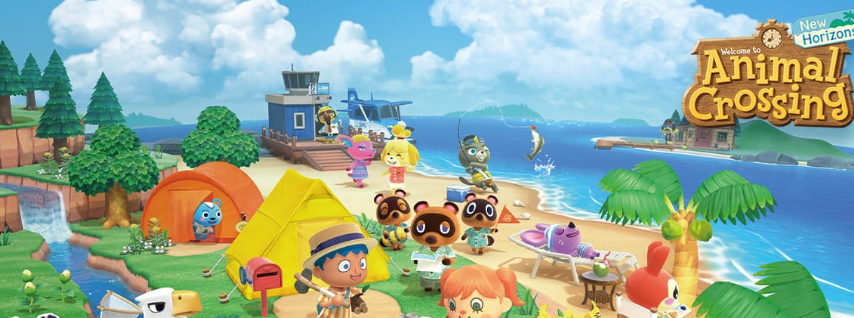

Animal Crossing: Daily Life and Conversational Japanese

Animal Crossing: New Horizons is ideal for learning practical, everyday Japanese. Players interact with villagers, complete tasks, and read instructions, all in a laid-back setting.

  • Vocabulary: Daily routines, objects, verbs, and expressions used in casual life.
  • Grammar: Simple sentence patterns, polite speech, and conditional forms appear often.
  • Cultural Insight: Villager conversations showcase Japanese social norms, expressions, and humor.

Tips:

  • Engage with in-game dialogue daily to reinforce common phrases.
  • Use the game to practice informal vs. polite speech recognition.

Common Mistake: Treating the game purely as entertainment without paying attention to language structures.
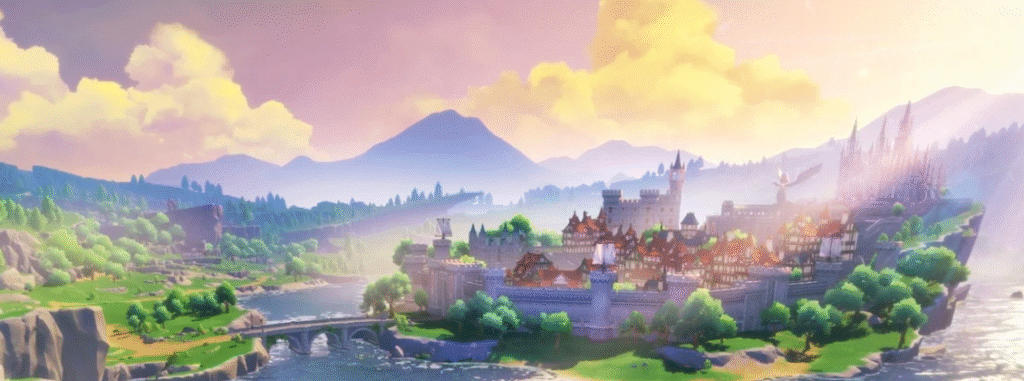

Genshin Impact: Adventure and Story-Based Learning

Genshin Impact is a globally popular action RPG with a large amount of in-game dialogue, quests, and narration. While more advanced, it’s perfect for learners who want to combine story-driven learning with vocabulary practice.

  • Vocabulary: Fantasy-themed words, elemental terms, and battle commands expand lexicon.
  • Grammar: More complex sentences, conditional forms, and descriptive language appear.
  • Listening Practice: Japanese audio enhances pronunciation and comprehension of fast speech.

Tips:

  • Pause and read dialogues carefully; replay cutscenes for repetition.
  • Record unfamiliar words and review them with spaced repetition apps.

Common Mistake: Skipping dialogue to focus on combat; story context is key for language exposure.


Final Fantasy: Narrative and Dialogue Mastery

Final Fantasy games are story-heavy RPGs that expose players to complex narratives, rich dialogue, and detailed menus. These games are suitable for intermediate learners who want to challenge themselves.

  • Vocabulary: Adventure, fantasy, and social interaction words.
  • Grammar: Polite forms, past tenses, and conditional phrases appear frequently.
  • Cultural Learning: Storylines incorporate Japanese storytelling conventions and cultural references.

Tips:

  • Use Japanese subtitles even if audio is English, or better, Japanese audio + text.
  • Replay dialogue sections to reinforce grammar and vocabulary patterns.

Common Mistake: Skipping menus and subplots reduces vocabulary exposure.


Persona: Everyday Japanese and Social Interactions

Persona games blend everyday life simulation with RPG mechanics, featuring rich dialogue and social interactions. These are excellent for learners wanting to practice conversational Japanese.

  • Vocabulary: School, hobbies, social situations, and informal dialogue.
  • Grammar: Casual speech, slang, and polite forms appear depending on context.
  • Cultural Exposure: Japanese school life, festivals, and societal norms are depicted authentically.

Tips:

  • Pay attention to dialogue options to understand nuance in tone and politeness.
  • Take notes on repeated expressions and slang for conversational practice.

Common Mistake: Ignoring casual conversation; informal dialogue is crucial for real-world comprehension.


How to Use Video Games Effectively for Learning Japanese

To maximize learning from video games:

  • Enable Japanese Audio and Text: Reading while listening reinforces comprehension.
  • Pause and Take Notes: Record new words or kanji during gameplay.
  • Replay Scenes: Repeat story segments for reinforcement.
  • Engage Online: Participate in Japanese forums or Discord servers related to the games.
  • Combine with Formal Study: Supplement with textbooks, apps, or tutors for grammar and kanji.

Tips:

  • Focus on context to understand vocabulary rather than translating word-for-word.
  • Break gameplay into study sessions instead of long marathons.

Common Mistake: Treating games as entertainment only; active engagement is essential.


FAQ’s


Playing Japanese video games alone will not make you fully fluent, but it can significantly reinforce certain language skills, particularly reading and listening. Video games expose learners to vocabulary in context, helping you understand how words and grammar are used in practical situations. You also gain experience with different speech styles, including casual conversation, formal language, and situational expressions.

However, fluency requires more than recognition of words in games. It involves active speaking, listening comprehension in natural settings, and writing practice, which games cannot fully provide. To achieve fluency, combine video games with structured study, speaking with native speakers, and engaging with other media like podcasts, anime, or real-life conversation. Think of video games as a powerful supplement, not a replacement, for traditional learning methods.

For beginners, games that are text-heavy but not overwhelmingly complex are ideal. Pokémon is a perfect starting point because it uses simple vocabulary, repetitive structures, and clear dialogue. Animal Crossing: New Horizons is also excellent, offering casual, everyday language and slow-paced interactions that allow beginners to follow along without feeling overwhelmed. Visual novels like Clannad or Steins;Gate in beginner-friendly versions can also help learners practice reading dialogue at their own pace.

Avoid fast-paced RPGs or action games at first, as their dialogue and vocabulary can be too advanced. Start with familiar and enjoyable content, and gradually move to more complex games like Genshin Impact or Final Fantasy as your skills improve. The key is gradual progression, ensuring that learning is effective without becoming frustrating.

Kanji can be intimidating, but context is your best friend. When encountering unknown kanji, try to infer meaning from surrounding text and gameplay cues first. For instance, if a kanji appears in an item description or quest objective, the game context often helps deduce its meaning. Afterward, record the kanji in a study app like Anki, WaniKani, or Yomichan or use flashcards such as Verbacard’s Kanji collection, and review them using spaced repetition.

Focus first on frequently occurring kanji in your chosen games, as these provide the most value for comprehension. Don’t stress over rare or complex kanji immediately. Over time, repeated exposure in multiple games will gradually increase recognition and understanding, helping you read and comprehend Japanese text with confidence.

The most effective approach is to use both Japanese audio and Japanese text. Reading along while listening helps reinforce grammar, sentence structure, and pronunciation simultaneously. Subtitles also allow you to slow down and identify new vocabulary in context.

Avoid using your native language subtitles, because this reduces immersion and slows down language retention. If the dialogue is too fast, pause and replay, or break it down line by line. Repeating phrases aloud helps internalize pronunciation and rhythm, making your listening and speaking skills improve naturally. This dual approach ensures you gain maximum benefit from your gaming sessions.

Yes! Multiplayer games with Japanese-speaking communities provide real-world communication practice. Typing messages, chatting in Japanese, and coordinating with other players requires reading comprehension, vocabulary usage, and even casual writing skills. Online games like Monster Hunter or Final Fantasy XIV can offer practical exposure to gaming-related jargon as well as conversational Japanese in a collaborative setting.

Engaging in online communities also allows you to observe informal expressions, slang, and cultural nuances that aren’t found in textbooks. Beginners can start with roleplay servers, discussion forums, or language-focused Discord groups. This interaction complements the passive learning from game text and audio, providing a well-rounded approach to improving reading, writing, listening, and comprehension skills in Japanese.

Final Thoughts

Popular video games like Pokémon, Animal Crossing, Genshin Impact, Final Fantasy, and Persona provide a fun and immersive way to reinforce Japanese vocabulary, grammar, listening, and cultural understanding. While games alone cannot create full fluency, they are a valuable supplement to textbooks, apps, and real-world practice. By engaging actively, taking notes, and combining gameplay with structured study, learners can enjoy both entertainment and meaningful language progress.


Leave a Reply

Your email address will not be published. Required fields are marked *