Physical Address
304 North Cardinal St.
Dorchester Center, MA 02124
Physical Address
304 North Cardinal St.
Dorchester Center, MA 02124

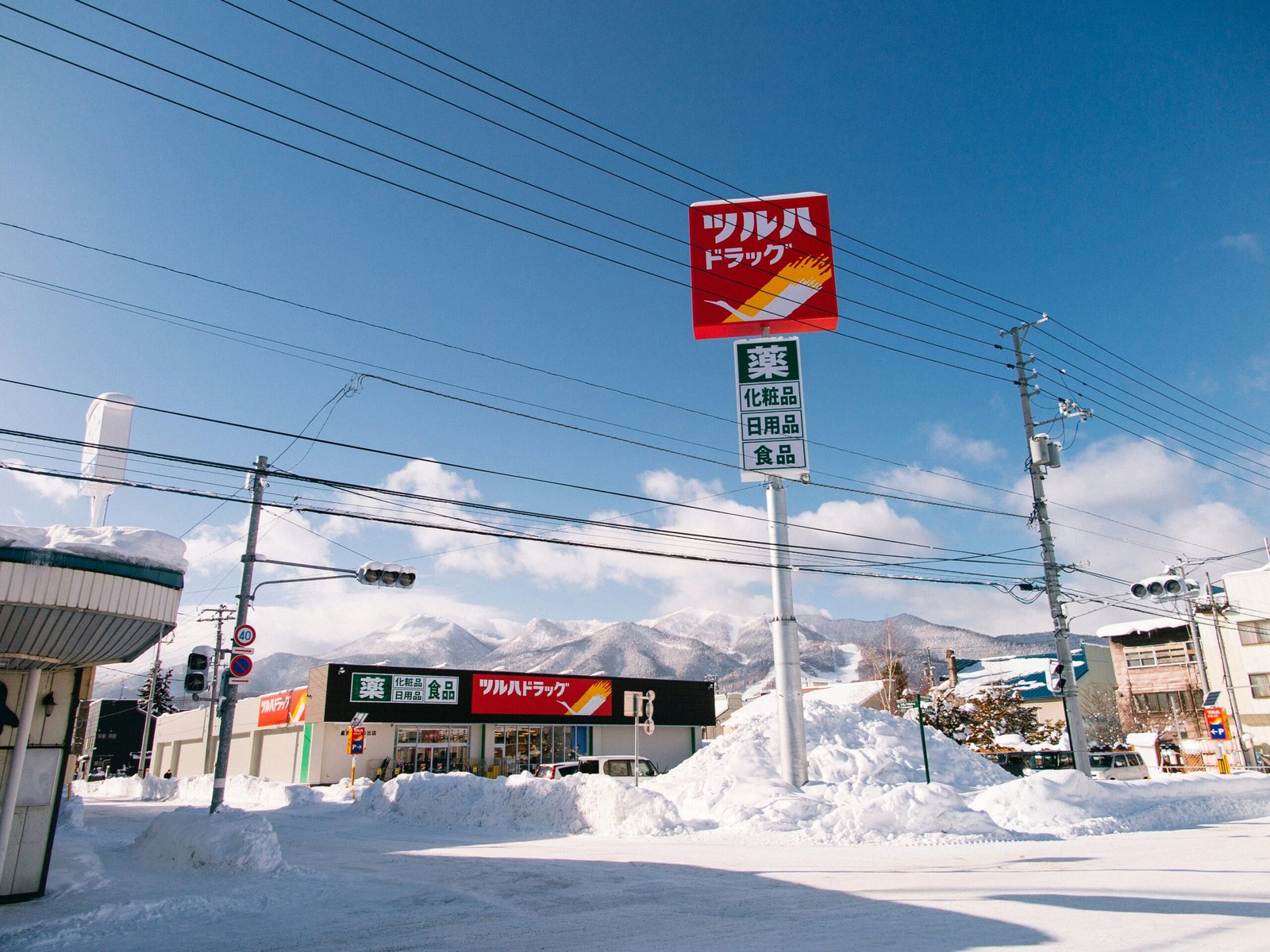
Japan this Winter offers a unique blend of snow-covered landscapes, cultural festivals, and cozy experiences that make it a magical time to travel. Whether you are drawn to skiing resorts, historical towns, or vibrant city lights, Japan in winter is full of charm and diversity. In this guide, we explore five top destinations for winter travel in Japan, along with travel tips, cultural insights, and must-see experiences.
Sapporo, on Japan’s northernmost island of Hokkaido, is famous for its Sapporo Snow Festival, which showcases incredible snow and ice sculptures from around the world. The city transforms into a winter wonderland with illuminated parks and lively streets, offering a unique Japanese winter experience.
Beyond the festival, Sapporo boasts rich culinary delights such as miso ramen, fresh seafood, and Jingisukan (grilled lamb), perfect for warming up after a day in the snow. The nearby mountains provide opportunities for skiing, snowboarding, and hot springs, making Sapporo a complete winter destination.
Travel Tips:
Common Mistake: Many visitors only attend the festival and miss exploring Sapporo’s local neighborhoods and cuisine.
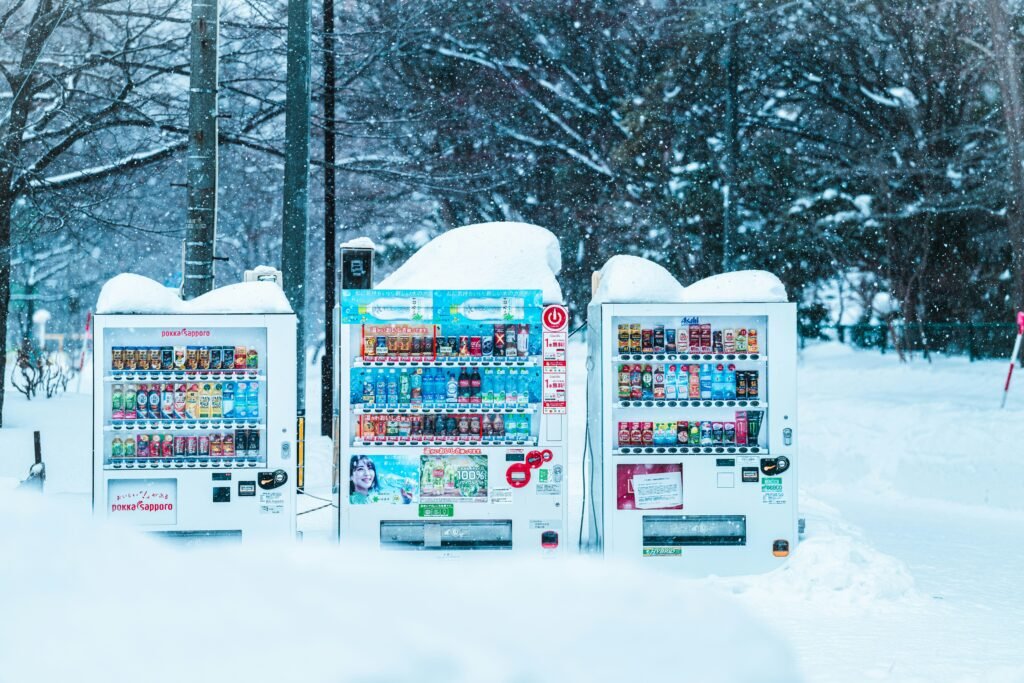
Niseko, also located on Hokkaido, is Japan’s premier ski destination. Its powder snow, considered some of the best in the world, attracts skiers and snowboarders from across the globe. Niseko offers runs for all skill levels and luxurious lodges with traditional Japanese hot springs (onsen) to relax after a day on the slopes.
The surrounding area also features picturesque villages and local markets where travelers can experience winter festivals, snowshoeing, and ice fishing. Niseko’s combination of outdoor adventure and cozy Japanese hospitality makes it a must-visit during winter in Japan.
Travel Tips:
Common Mistake: Some visitors underestimate the cold and windy conditions on higher slopes — bring thermal clothing and waterproof gear.

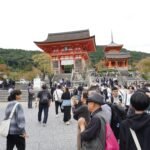
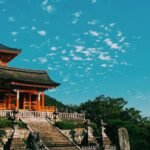
While often associated with cherry blossoms and spring tourism, Kyoto is equally captivating in winter. The city’s famous temples, shrines, and gardens take on a serene beauty when dusted with snow. Iconic spots such as Kinkaku-ji (Golden Pavilion) and Fushimi Inari Shrine are less crowded, offering peaceful sightseeing.
Winter in Kyoto also highlights traditional Japanese culture. Visitors can enjoy seasonal foods like yudofu (hot tofu hotpot), experience tea ceremonies, and stroll through historic districts like Gion under crisp winter skies. This blend of nature, history, and cuisine makes Kyoto a top winter destination.
Travel Tips:
Common Mistake: Ignoring winter illuminations — several temples and gardens offer special evening light displays that enhance the seasonal atmosphere.
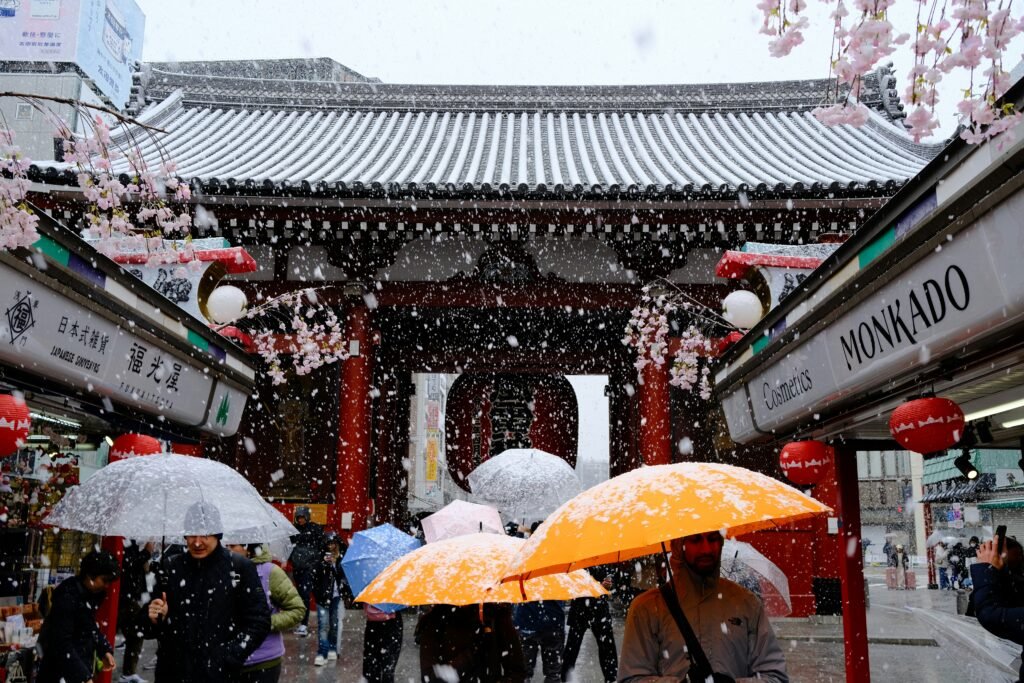
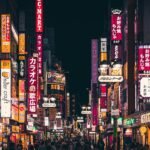
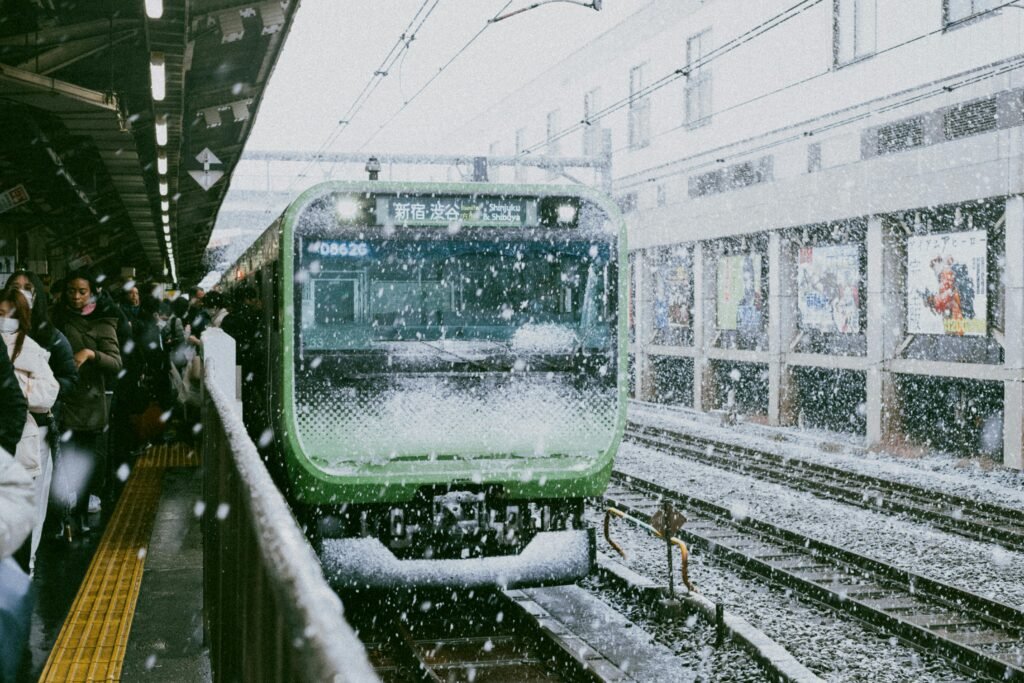
Tokyo in winter is lively and festive, with seasonal illuminations, Christmas markets, and cultural events across the city. Popular spots such as Shibuya, Shinjuku, and Odaiba are decorated with LED lights, creating a magical urban winter experience.
In addition to shopping and entertainment, winter in Tokyo provides an opportunity to explore Japanese food culture, from ramen and oden to street snacks like roasted chestnuts and sweet potatoes. Nearby destinations like Hakone or Nikko are perfect for day trips to see snow-covered landscapes and hot springs.
Travel Tips:
Common Mistake: Some travelers skip day trips; places like Hakone offer natural beauty and hot springs that contrast the city’s urban environment.
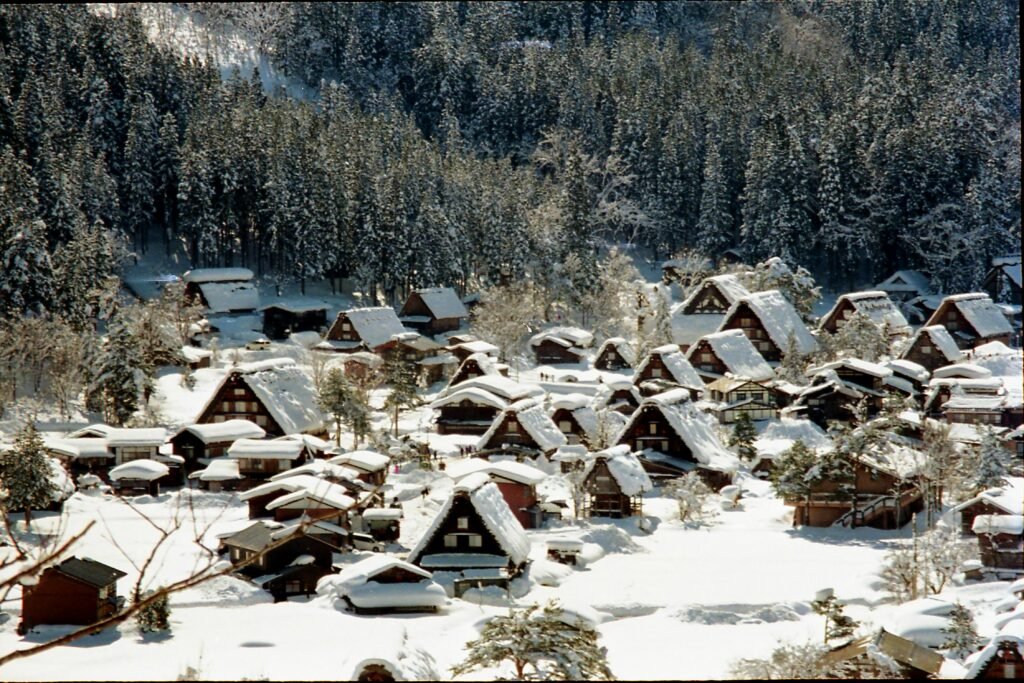
Shirakawa-go, in Gifu Prefecture, is famous for its gassho-zukuri style houses with steep thatched roofs, designed to withstand heavy snowfall. Winter transforms this UNESCO World Heritage village into a snowy fairy tale, ideal for photography and cultural immersion.
Visitors can experience local crafts, traditional food, and snow activities in the surrounding mountains. The village also hosts seasonal illuminations during winter evenings, making it a romantic and peaceful destination away from crowded cities.
Travel Tips:
Common Mistake: Visiting for only a few hours — staying overnight allows you to enjoy the snow and nighttime illuminations fully.
Pro Tip: Combining travel with language practice enhances your experience — locals appreciate travelers who try speaking Japanese.
Winter in Japan combines snow-capped landscapes, cultural experiences, and seasonal festivities that make it a memorable travel destination. From skiing in Niseko to exploring historic Kyoto and Shirakawa-go, there is something for every traveler seeking the magic of Japan in winter.
For more travel tips and language guides, explore GoJapanese.io, where you can find resources to prepare for winter trips, learn Japanese, and experience Japan like a local.